Colosseum (Rome)
- DifficultyHard
- Size95 × 79 blocks, 28 tall
- Build timeabout 20 hours
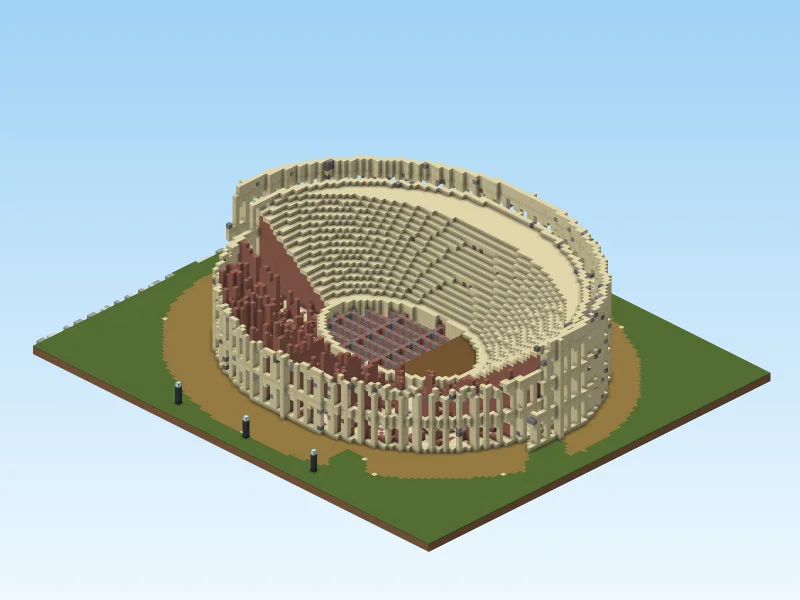
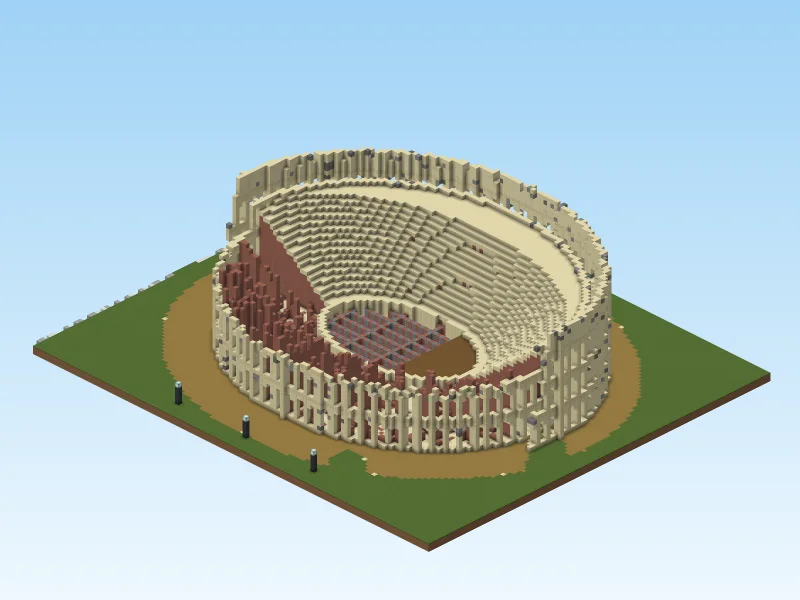
The Colosseum in Rome opened in 80 AD and held around 50,000 spectators. It's 189 meters long and 48 meters high. On Blockwerk it stands at a scale of 1:2 – just as it looks today.
On one side the outer wall still stands completely: three rows of arches with a floor of small windows above. On the other side it has collapsed, and you can see the inner ring and the seating. In the arena lie the exposed passages where animals and gladiators once waited, part of it covered with wood.

🔍 Click on parts
Tap any part of the build in the 3D model – a lamp, a tree, a bench next to the house – and you’ll see exactly how to build that part, with its materials and a layer-by-layer plan.
🧊 Build it as a hologram in Minecraft Bedrock (HoloPrint)
Download this build idea as a .mcstructure file – it is made right from the blueprint below. The HoloPrint website turns it into a pack that places the build as a see-through hologram in your world – you just fill in the blocks.
- Tap the button above – the file colosseum.mcstructure is downloaded.
- Open the HoloPrint website.
- Upload the file there.
- Create your build template texture pack.
- Download the .mcpack file.
- Open it with Minecraft and activate the pack in your world.
- Place an armor stand – the build template appears there. Tip: put it exactly where the build should stand.
Works with Minecraft Bedrock (phone, tablet, console, Windows). HoloPrint is a free fan project, not made by Blockwerk.
Layer-by-layer blueprint
Click through from bottom to top. Every square is one block, the front is at the bottom. Gray shows the layer below. 28 layers, area in the plan: 95 × 86 blocks.
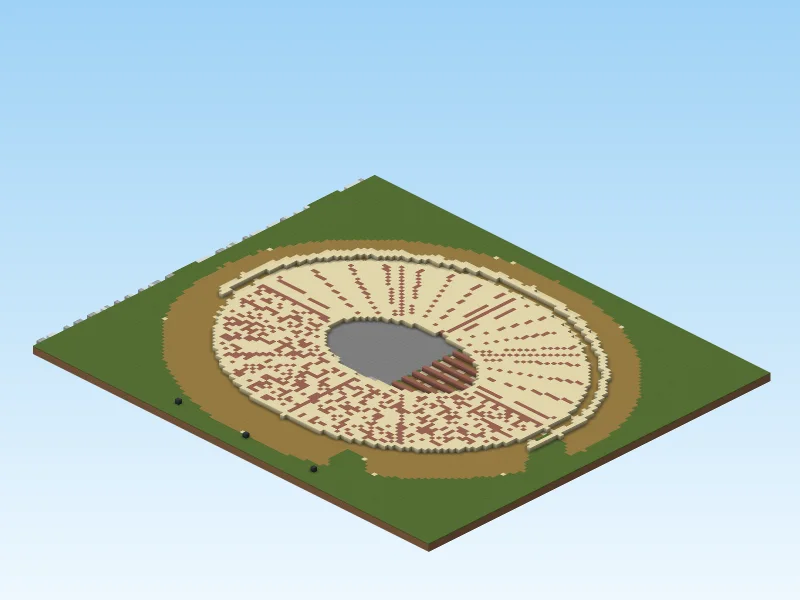
Layer 1 of 28 (4272 blocks)
- Smooth Sandstone2605
- Bricks1016
- Cut Sandstone648
- Gray Concrete3
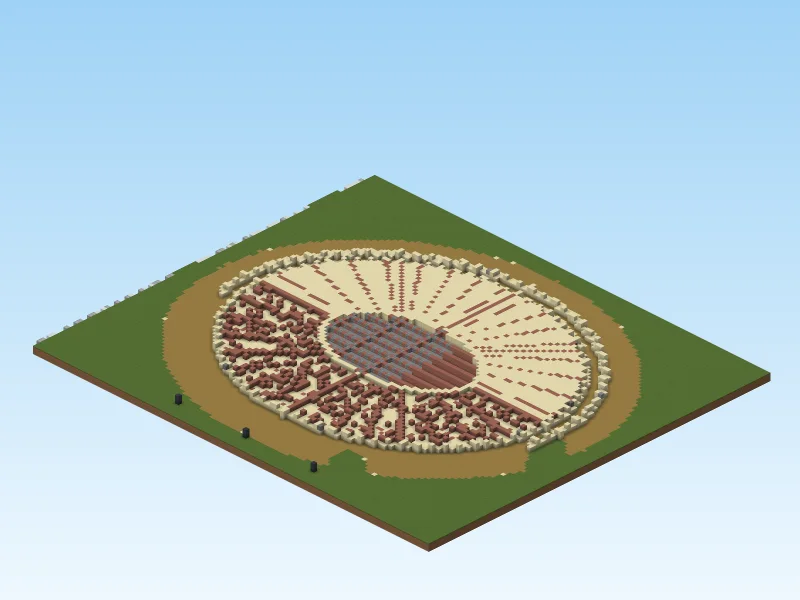
Layer 2 of 28 (2875 blocks)
- Smooth Sandstone1536
- Bricks971
- Cut Sandstone258
- Stone Bricks99
- Tuff3
- Andesite3
- Gray Concrete3
- Sandstone2
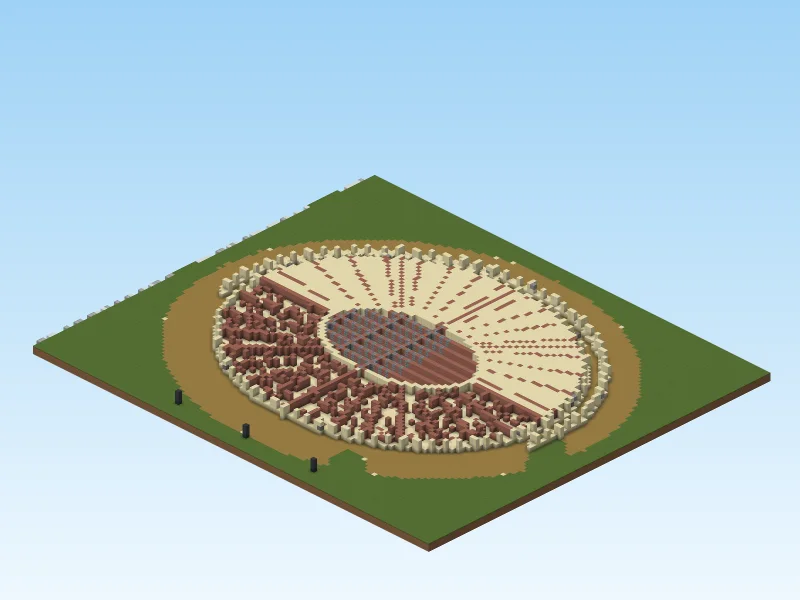
Layer 3 of 28 (2743 blocks)
- Smooth Sandstone1537
- Bricks839
- Cut Sandstone259
- Stone Bricks99
- Andesite3
- Gray Concrete3
- Tuff2
- Sandstone1
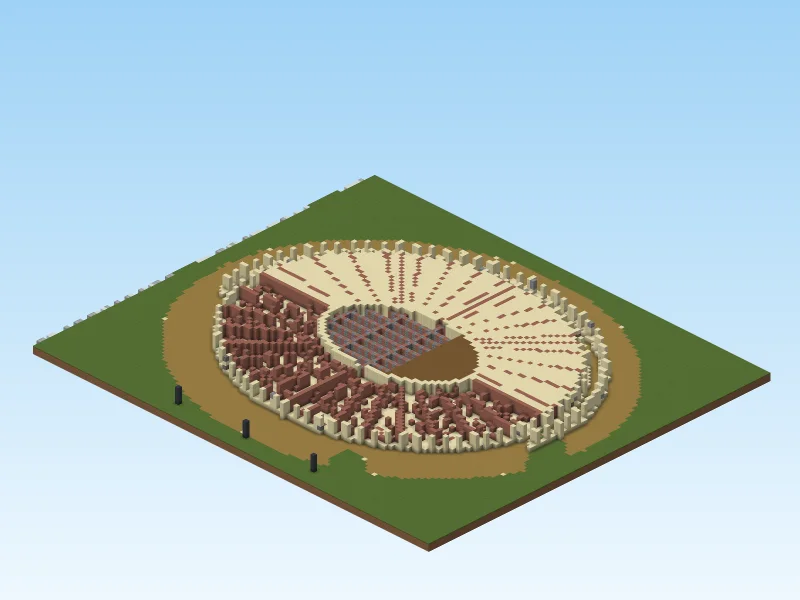
Layer 4 of 28 (2521 blocks)
- Smooth Sandstone1537
- Bricks505
- Cut Sandstone258
- Spruce Planks211
- Andesite6
- Gray Concrete3
- Tuff1
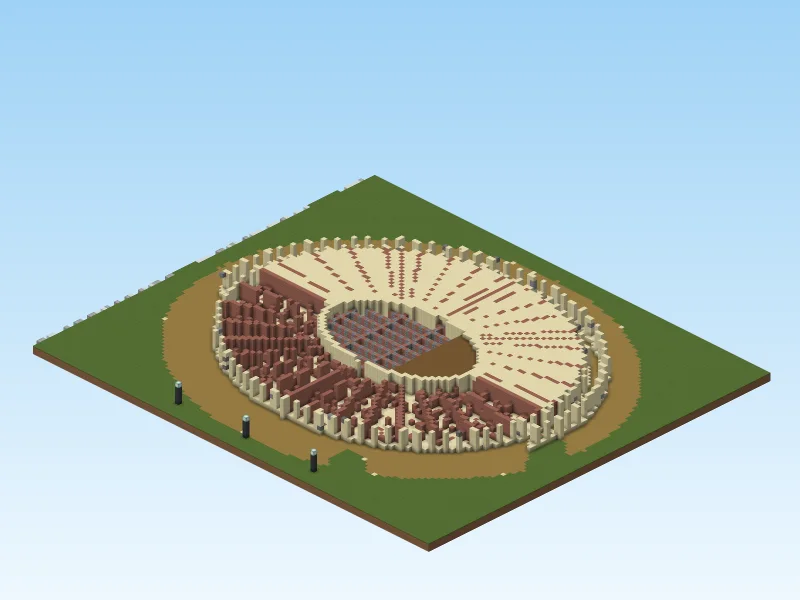
Layer 5 of 28 (2304 blocks)
- Smooth Sandstone1543
- Bricks486
- Cut Sandstone257
- Tuff7
- Sandstone5
- Sea Lantern3
- Andesite2
- Cobblestone1

Layer 6 of 28 (2252 blocks)
- Smooth Sandstone1552
- Bricks467
- Cut Sandstone200
- Andesite12
- Tuff11
- Sandstone10

Layer 7 of 28 (2371 blocks)
- Smooth Sandstone1707
- Bricks446
- Cut Sandstone146
- Tuff25
- Andesite23
- Sandstone22
- Cobblestone2

Layer 8 of 28 (2291 blocks)
- Smooth Sandstone1278
- Chiseled Sandstone516
- Bricks424
- Cut Sandstone73
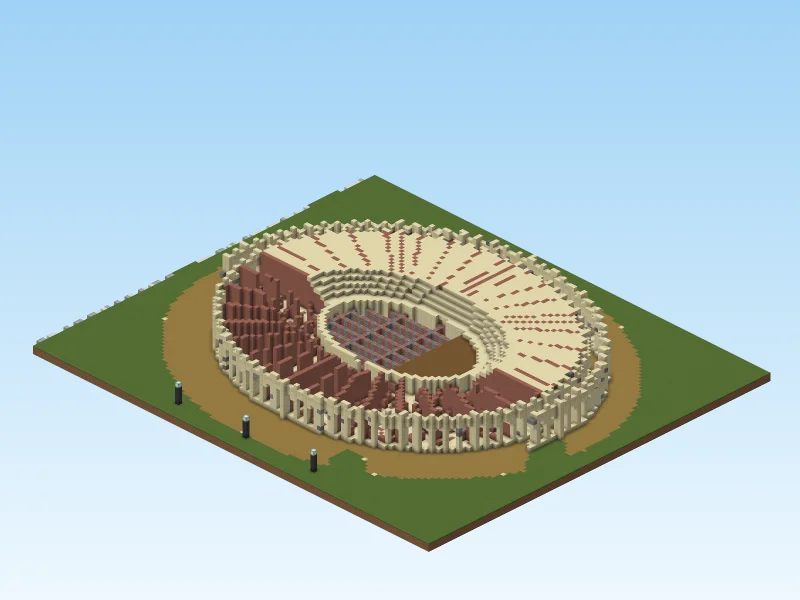
Layer 9 of 28 (1872 blocks)
- Smooth Sandstone1339
- Bricks398
- Cut Sandstone130
- Tuff3
- Sandstone2
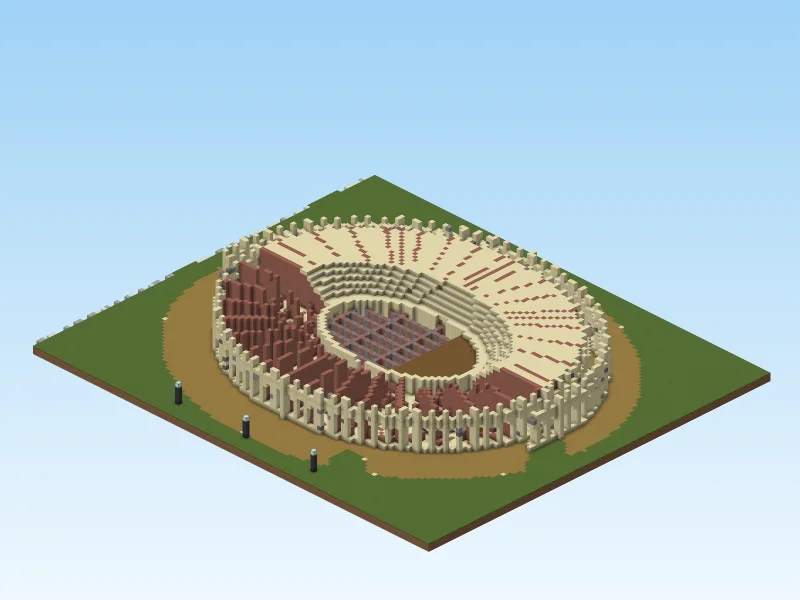
Layer 10 of 28 (1788 blocks)
- Smooth Sandstone1199
- Bricks371
- Cut Sandstone208
- Tuff4
- Andesite3
- Sandstone3
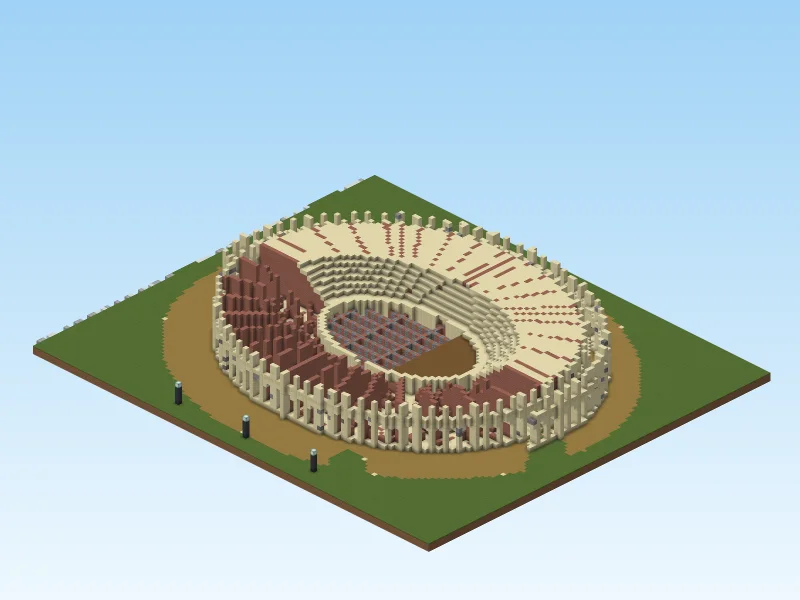
Layer 11 of 28 (1695 blocks)
- Smooth Sandstone1208
- Bricks347
- Cut Sandstone129
- Sandstone5
- Andesite4
- Tuff2

Layer 12 of 28 (1612 blocks)
- Smooth Sandstone1063
- Bricks323
- Cut Sandstone218
- Sandstone3
- Andesite3
- Tuff2

Layer 13 of 28 (1660 blocks)
- Smooth Sandstone1209
- Bricks298
- Cut Sandstone134
- Sandstone7
- Tuff7
- Andesite5

Layer 14 of 28 (1703 blocks)
- Smooth Sandstone1164
- Bricks266
- Cut Sandstone227
- Andesite18
- Sandstone15
- Tuff13
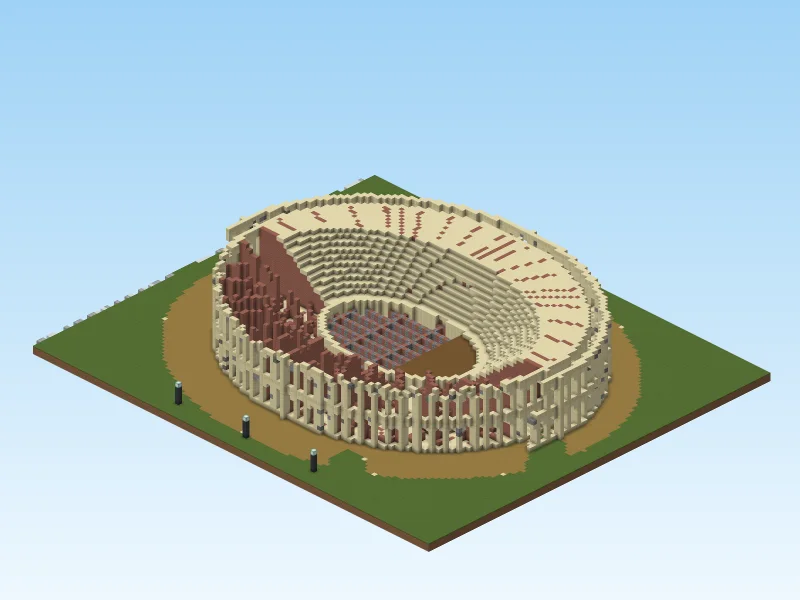
Layer 15 of 28 (1535 blocks)
- Smooth Sandstone886
- Chiseled Sandstone427
- Bricks222

Layer 16 of 28 (1111 blocks)
- Smooth Sandstone747
- Cut Sandstone186
- Bricks174
- Andesite2
- Cobblestone1
- Tuff1
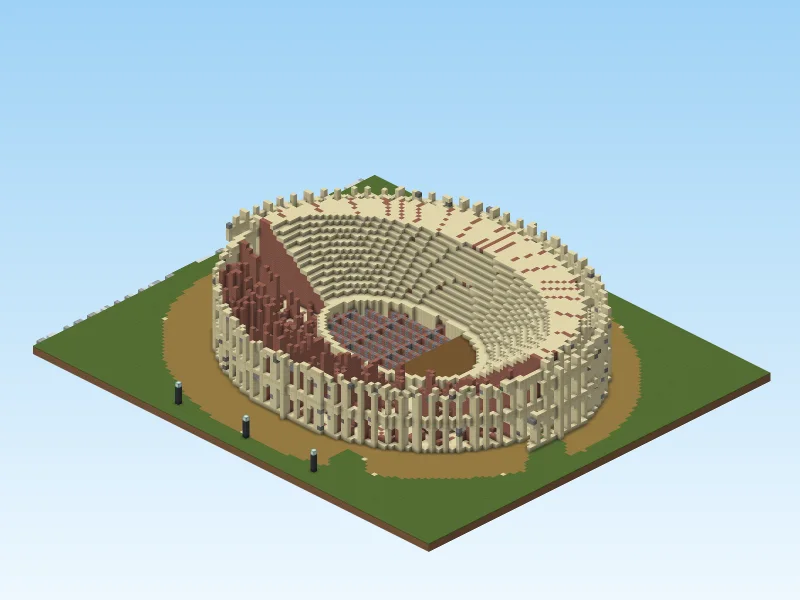
Layer 17 of 28 (996 blocks)
- Smooth Sandstone764
- Bricks139
- Cut Sandstone90
- Sandstone1
- Tuff1
- Andesite1

Layer 18 of 28 (880 blocks)
- Smooth Sandstone575
- Cut Sandstone200
- Bricks100
- Andesite2
- Tuff2
- Sandstone1

Layer 19 of 28 (771 blocks)
- Smooth Sandstone587
- Cut Sandstone95
- Bricks83
- Andesite4
- Tuff1
- Sandstone1
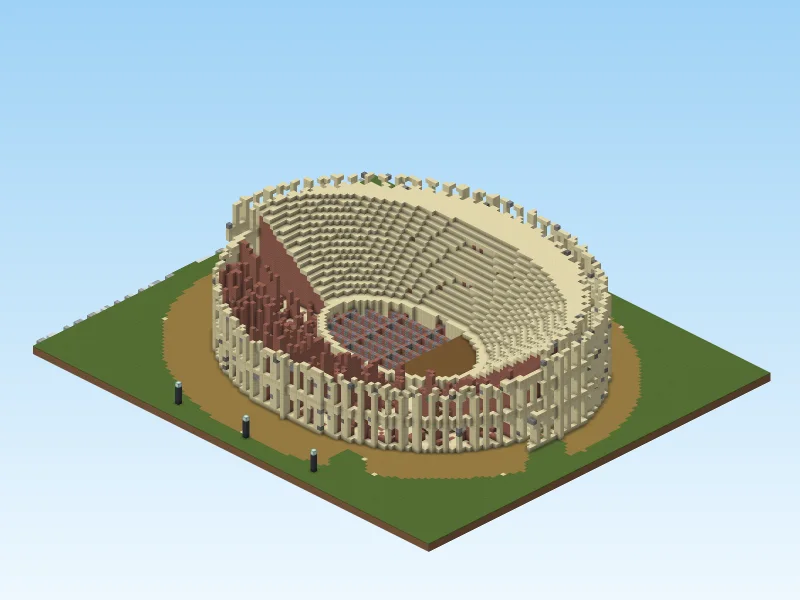
Layer 20 of 28 (761 blocks)
- Cut Sandstone627
- Smooth Sandstone115
- Andesite7
- Tuff6
- Sandstone5
- Cobblestone1

Layer 21 of 28 (356 blocks)
- Smooth Sandstone230
- Cut Sandstone97
- Sandstone10
- Tuff10
- Andesite9
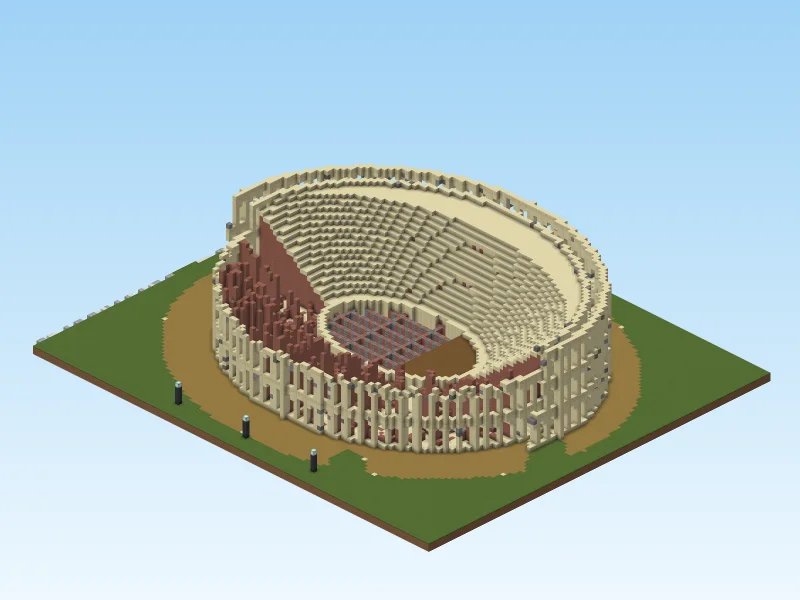
Layer 22 of 28 (192 blocks)
- Chiseled Sandstone192

Layer 23 of 28 (190 blocks)
- Smooth Sandstone158
- Sandstone14
- Andesite9
- Tuff5
- Cut Sandstone4
Layer 24 of 28 (190 blocks)
- Smooth Sandstone152
- Sandstone14
- Cut Sandstone12
- Andesite7
- Tuff5

Layer 25 of 28 (160 blocks)
- Smooth Sandstone133
- Andesite9
- Cut Sandstone7
- Tuff6
- Sandstone5
Layer 26 of 28 (160 blocks)
- Smooth Sandstone129
- Cut Sandstone10
- Andesite8
- Sandstone7
- Tuff6

Layer 27 of 28 (190 blocks)
- Smooth Sandstone160
- Cut Sandstone13
- Tuff9
- Andesite5
- Sandstone3

Layer 28 of 28 (190 blocks)
- Smooth Sandstone153
- Tuff12
- Cut Sandstone12
- Sandstone9
- Andesite4
Simplified blueprint: stairs and slabs are partly shown as full blocks, animals and plants as small squares. Tip: use the arrow keys ← → to switch layers.
Step-by-step guide
Mark out the oval
The Colosseum is an ellipse, 95 blocks long and 79 wide. Lay out the outline first with the blueprint.
Outer wall
The outer wall is 28 high: three stories of 7 layers each, every one with arches – 2 blocks wide, 5 high, with cut sandstone piers in between. Every 7 layers a cornice of chiseled sandstone runs around. On top follows the attic story with small windows.
Weathered stone
Mix a few normal sandstones, andesite and tuff into the smooth sandstone – that makes the stone look old and patchy like real travertine.
Collapsed side
On the front side, don't build the outer wall. At the broken edges it gets lower step by step.
Inner ring
4 blocks further in stands a second ring with arches, 21 high at the back and only two stories at the front.
Seating
Between the inner ring and the arena, the seating rises from 4 to 19 blocks. At the back it's intact; at the front you only see the brick walls that used to carry it.
Arena and passages
The arena is a smaller ellipse with a 5-block-high podium around it. One side has a wooden floor, on the other you see the passages below: rows of brick and stone brick walls.
Surroundings
A paved path runs around the Colosseum, with pine trees and street lamps.
Pro tips
- Build the basic shape from cheap blocks like dirt or cobblestone first and swap them out afterwards. That way you see early on whether the proportions are right.
- The arches repeat all the way around – finish one section and then follow the oval with the blueprint.
- In creative mode the /fill command is much faster: it fills whole walls and areas at once.
Variations
- Build the Colosseum completely without the collapse – that's how it looked in Roman times.
- The Arch of Constantine fits next to it: a large triumphal arch with three passages.


